
Every truly great rock artist from Elvis Presley to Bob Dylan to David Bowie has a mountain of lost in the groove tracks buried on their albums between the bona-fide classics everyone knows, and Lou Reed is no different. I thought it would be fun to go through his albums with The Velvets and his solo work and mention some of my favorite more ‘hidden’ and less talked about tracks that are just as powerful as the ones everyone knows like "Sweet Jane" and "Walk On The Wild Side". This isn’t a list of my favorite Lou Reed songs per say, although many of these would fall into that category, but instead a look at some often ignored classics that are among the man’s best.
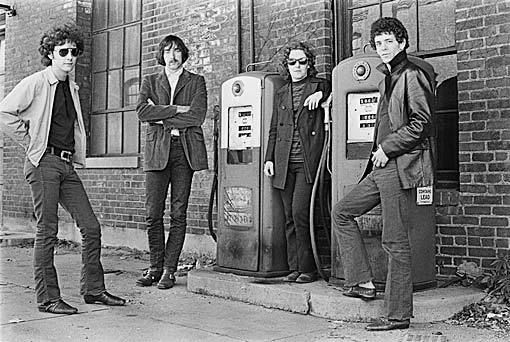
1. “Run Run Run”: The Velvet Underground and Nico. This delightfully crunchy track off the Velvet’s first album has long been a favorite and I actually prefer it to some of the more celebrated material on the legendary album. The great idea of highlighting a different character in each verse is inspired and pre-dates the similar notion that "Walk On The Wild Side" would perfect a few years down the road.
2. “Here She Comes Now”: White Light White Heat. Amidst one of the noisiest rock albums in history is this inspired and lovely sounding tale of a girl “made out of wood” who can never quite reach the perhaps sexual spot she is continually trying to reach.
3. “Jesus”: The Velvet Underground. Among the most surprising tracks in all of Lou’s catalogue, this stunner is remarkable in just how un-ironic it sounds. I would have loved to have heard Elvis sing this haunting and spiritually yearning track.
4. “Oh! Sweet Nuthin”: Loaded. Just about my favorite Velvets track…I would give anything to hear Lou revisit this rarely played number live. Intense, powerful and oh so sublime, this long track features some of Lou’s greatest characters and the guitar interplay between him and Sterling is absolutely unforgettable.
5. “Berlin”: Lou Reed. Everyone knows the album Berlin, but I am often surprised by how many people haven’t heard the longer original song that inspired it. The centerpiece of the first solo album features members of Yes playing with Lou, some extended lyrics and a coda nowhere to be found on the shorter Berlin version. This version would of course later be revisited live quite often with the Take No Prisoner’s take perhaps being the best.
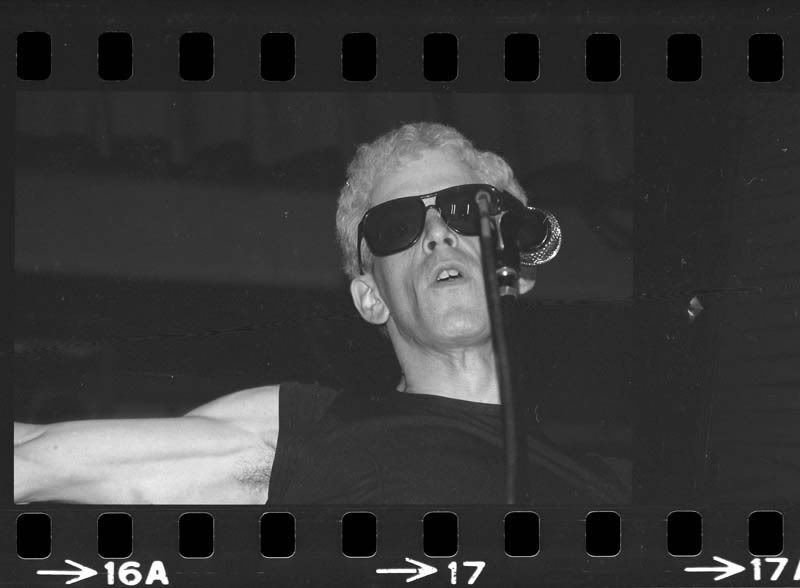
6. “Hangin’ Round”: Transformer. Sandwiched in a typically throwaway position on Side One, this rocking and hilarious song features some of the most surreal lyrics Lou has ever written, with the inspired “Harry was a rich young man who would become a priest. He dug up his dear father who was recently deceased.” being among the best.
7. “Lady Day”: Berlin. One of the most majestic tracks Lou has ever layed down but often overlooked as one of the album’s finest moments. Outside of being incredibly haunting, I love this track because it offers up one of the oddest connecting points to Sinatra’s Watertown, as that concept album on divorce was originally planned to close with a song called “Lady Day”.
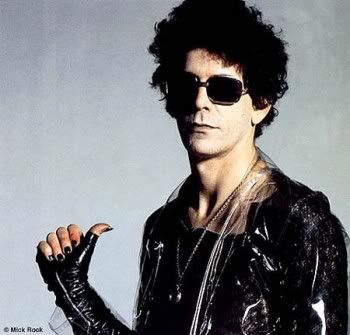
8. “Ennui”: Sally Can’t Dance. Drugged out and downright classic ode to disintegrating, sparked by one of the creepiest monotone vocals in rock history. The line “Pick up the pieces that make up your life, maybe someday you’ll have a wife…and then alimony” stands as one of the most simultaneously devastating and hilarious in Lou's entire canon. Has falling apart ever sounded quite so delightfully dull?
9. “A Gift” Coney Island Baby. The lead off two Side Two of one of Lou’s most personal and greatest albums. This light tongue in cheek tale of a man who is an admitted “Gift to the women of the world” is sparked by some wonderfully warm and evocative guitar playing by Lou (who was returning to the instrument here for the first time in several years).
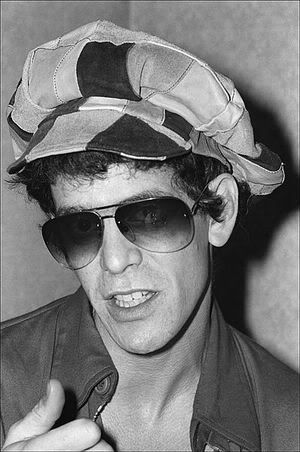
10. “Ladies Pay”: Rock N Roll Heart. A monumental song with one of the most devastating guitar solos he has ever layed down, "Ladies Pay" is an absolute masterpiece and, like the album it graces, has never gotten its due (even among some of Lou’s most dedicated fans). Another one I would love to see him pull out for a newer live reworking.
11. “Dirt”: Street Hassle. Outside of being one of the most vicious put down songs ever placed on vinyl, this track simply sounds like nothing else out there. The moment when he starts singing a slowed down, and unbelievably menacing, portion of Bobby Fuller’s “I Fought The Law” is one of the great moments in seventies rock.
12. “Coney Island Baby” Take No Prisoners. I am making an exception to ignoring live albums here to make mention of this unbelievably powerful take of one of Lou’s signature songs. Frantic, intense and oh so moving, this is one of the great Lou Reed moments and should be more readily available.
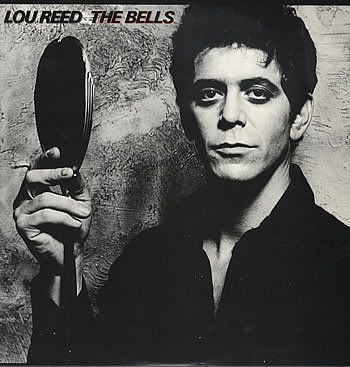
13. “Families” The Bells. Although he has denied it, I suspect that this extraordinary song off my favorite Lou Reed album is one of his most personal. Featuring some of the most painfully honest and knowing lyrics of his career, this song is guaranteed to send chills down the neck of anyone whose ever felt spiritually disconnected from the place they come from…a real favorite.
14. “Standing on Ceremony” Growing Up In Public: Anyone who doubts Lou Reed’s astonishing abilities as a great rock vocalist is advised to check out this frenzied tribute to non-conformity. Growing Up In Public is one of Lou’s most underrated works and this song is among his best.
15. “The Heroine” The Blue Mask. Lovely and haunting track off one of the key albums in Lou’s canon, and one of the most subtle. Listening to this track always reminds me of that great thing Patti Smith said about Lou around ten years ago…something along the lines of “the poet in him won out”…
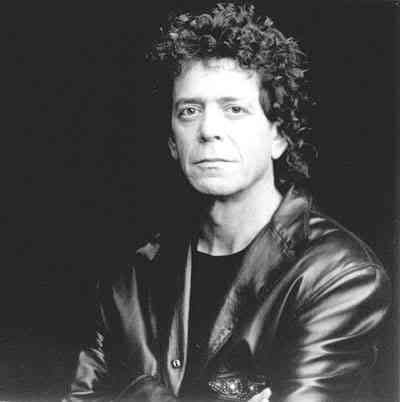
16. “Rooftop Garden” Legendary Hearts. Although he rarely gets credit for it, Lou Reed is capable of writing some truly transcendent love songs with this being one of the greatest. Anyone who has ever known the rush of a new love will smile at the lines “Let’s not see any letters, let’s not answer the phone. Let’s just pretend that there’s no one at home.”
17. “Heroin” Live In Italy. Once again I am making an exception to the live record rule to include this searing take of Lou’s most legendary track. Marked by the face melting guitar dueling of Reed and the great late Robert Quine, this charging version of “Heroin” has to be heard to be believed.
18. “Doin The Things We Want”: New Sensations. Bob Dylan himself sang the praises of this great tribute to Martin Scorsese and Sam Shepherd back in the eighties and I totally agree with him…”Here’s to Travis Bickle and here’s to Johnny Boy”…wow.
19. “Tell It To Your Heart” Mistrial. Another gorgeous love song that had the misfortune to be on Lou’s worst album (which by the way you still need to have)…thankfully rescued from oblivion a few years back when he surprisingly started performing it live again.
20. “Endless Cycle” New York. Often overlooked as one of the best moments one one of Lou’s greatest albums, this song is one of the most devastating and honest looks at the cycle of abuse ever recorded…not just a great rock song, but shockingly great literature.
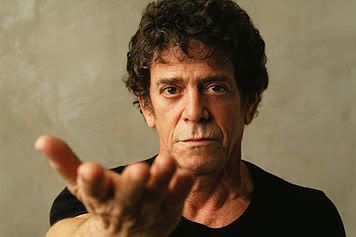
21. “Hello It’s Me”. Songs For Drella. The closing song to Lou and John’s moving memorial to Andy Warhol features some of the most forthcoming and emotive lyrics of Lou’s career…just so damn moving on so many different levels.
22. “Sword Of Damocles”: Magic and Loss. Featuring an unexpected and poignant string section and some of the most emotional lyrics of his career, this is simply put one of the great moments in Lou Reed’s catalogue.
23. “Finish Line”: Set The Twilight Reeling. Racing and charging with some incredible guitar work, this song closes with the ferociously brilliant lines “First came fire, the came light…then came feeling, the came sight.”
24. “Big Sky”: Ecstasy. The anthem like closing to another one of Lou’s key works is a thrilling listen. While lyrically not among the stronger moments on the record, musically this is one of the most breathtaking songs from the last decade.
25. “Fire Music” The Raven: Insane revisit to Metal Machine Music is a potent reminder that no one can make more of a sublime racket than Lou Reed when he tries…would be perfectly at home on one of Sonic Youth’s more experimental records…a wordless triumph.
More Lou Reed posts to come…I hope this proved interesting to already devoted fans or perhaps to anyone who just knows Lou from “Walk On The Wild Side”.


